
Guides › Receivables Ageing and Collecting What You Are Owed
Receivables Ageing and Collecting What You Are Owed
RBTERP team · · 3 min read
How to read the receivables ageing report, set credit terms, chase overdue invoices politely and firmly, and record payments correctly.
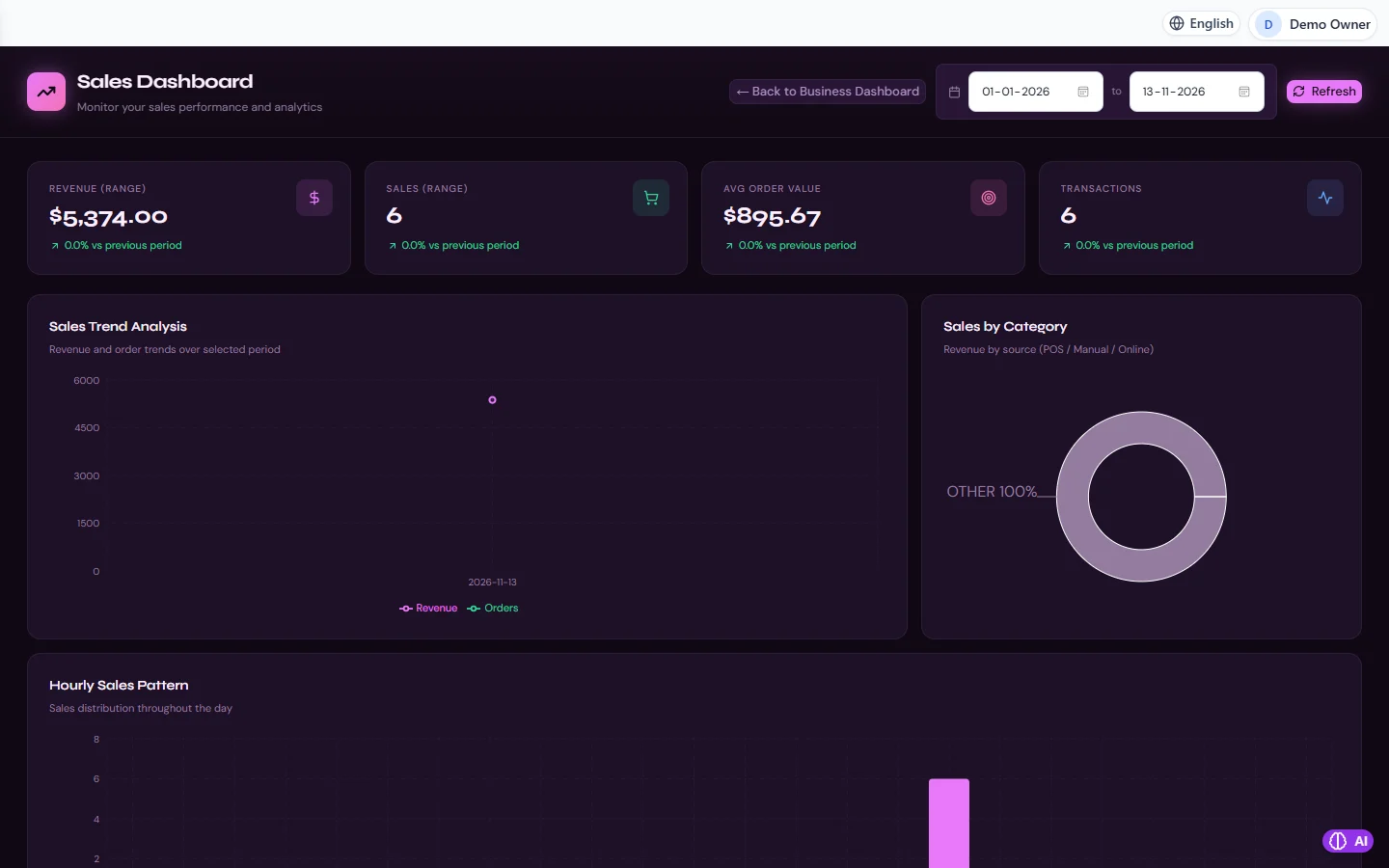
Sales in RBTERP, with a sample company and fictional data.
A sale is not finished until it is paid. Many profitable small businesses run short of cash simply because customers pay slowly and nobody chases them. Collecting well is a routine, not a talent, and it starts with one report.
The ageing report
The receivables ageing report lists what each customer owes, split by how old the debt is:
- Not yet due
- 1 to 30 days overdue
- 31 to 60 days overdue
- 61 to 90 days overdue
- Over 90 days
Read it from right to left. The oldest debts are the most likely never to be paid, and every week they get harder to collect.
Set terms before you sell
- Agree payment terms in writing before the first sale: 15 days, 30 days, or payment before delivery for new customers.
- Set a credit limit for each customer on credit, based on what you can afford to lose.
- Put the terms on every invoice, with the due date, not just "30 days".
Invoice promptly and correctly
Payment terms start from the invoice date. Every day an invoice waits to be sent is a day added to your wait for cash. An invoice with a wrong price or quantity will not be paid until it is corrected, so get it right the first time by invoicing from the delivery. See from sales order to cash.
A collection routine
- Before the due date: for large invoices, a short reminder a few days early.
- On the day after the due date: a polite note with a copy of the invoice.
- Two weeks overdue: a phone call. Ask when payment will be made and write down the answer.
- Thirty days overdue: a firm written reminder; consider pausing further credit.
- Sixty days overdue: stop supplying on credit, and agree a payment plan.
- Beyond that: decide whether to involve a lawyer or collection agency, or to write the debt off.
Keep a note of every contact and promise. "We'll pay next week" is only useful if someone checks next week.
Record payments properly
Record every payment against the specific invoice it settles. A pile of unallocated receipts makes the ageing report useless, because you cannot see which invoices are truly overdue. When a customer pays several invoices at once, allocate the amount across them as their remittance says.
When a debt will not be paid
Recognise it in the books rather than leaving it to inflate your receivables. Your accountant will advise how to provide for doubtful debts and when to write one off. Record the reason, and stop selling on credit to that customer.
Collections in RBTERP
- Ageing: the Finance module shows receivables and payables ageing, and the Finance dashboard shows the overview. Each customer's balance comes from their invoices, credit notes and payments, so the report and the ledger agree.
- Recording payments: in Sales, under Payments, find the invoice and record the amount, date, method and the bank or cash account. The invoice's outstanding amount falls and the bank balance rises. A payment larger than the amount outstanding is refused, which catches typing errors.
- Foreign currency: an invoice in another currency needs an exchange rate for the payment date.
- Customer view: in CRM, Customer 360 shows a customer's sales, returns, open pipeline and open support tickets together, useful before a collection call. See leads and the sales pipeline.
- Weekly report: subscribe to the receivables ageing to arrive in your inbox every Monday. See automated report subscriptions.
The cash-flow forecast uses unpaid invoices to estimate cash coming in, so faster collections show up there first.
This guide uses the Sales module of RBTERP: Quotations, orders, deliveries, invoices and returns in one flow, with revenue, order value and trends for any date range.